
The Philippine online casino landscape has seen a significant shift, with PAGCOR Chairman Alejandro Tengco reporting a 40% to 50% drop in gaming activity following the delinking of e-wallets like GCash and Maya from online gambling platforms. This change, mandated by the Bangko Sentral ng Pilipinas (BSP), means depositing funds is no longer as instant, effectively creating a 'forced cooling-off period' that can help players manage their bankrolls more responsibly.
Mga Pangunahing Punto para sa mga Manlalaro
- Online gaming transactions have decreased by 40-50% since e-wallets delinked.
- The BSP ordered e-wallets to remove direct links to gambling sites by August 2025.
- Depositing funds now requires additional steps, making impulsive play less likely.
- This shift can be an opportunity to practice better budget control and responsible gambling.
- Be cautious of unregulated sites that may offer easy e-wallet access but pose higher risks.
Understanding the E-Wallet Delinking and Its Immediate Impact
The Bangko Sentral ng Pilipinas (BSP) issued a directive around August 14, 2025, requiring e-wallet operators and other supervised financial institutions to remove in-app icons and direct links to online gambling platforms. This directive had a compliance deadline of August 17, 2025. The immediate consequence, as reported by PAGCOR Chairman Alejandro Tengco on August 24, 2026, was a substantial 40% to 50% decrease in online gaming transactions within the first two weeks of the delinking.
For many Filipino players, GCash and Maya were the primary, most convenient methods for funding their online casino accounts. The delinking means that the seamless, one-tap deposit process is no longer available. This change has made depositing funds less convenient, requiring players to go through additional steps, which can naturally introduce a pause before making a deposit.
The 'Forced Cooling-Off Period' and Your Bankroll
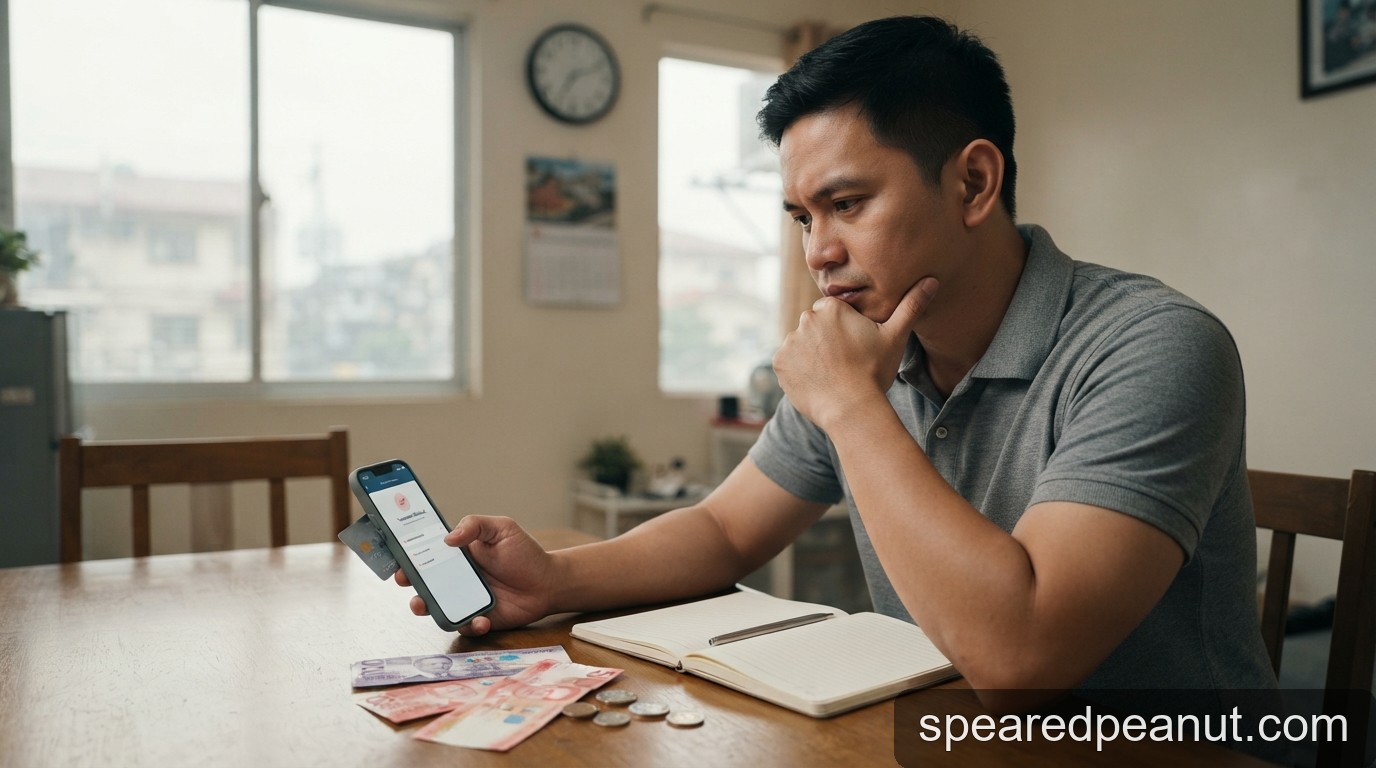
While the delinking might seem like an inconvenience, it presents a unique opportunity for players to adopt more responsible gambling habits. The added friction in the deposit process acts as a 'forced cooling-off period.' Instead of instantly topping up your account during a losing streak or an impulsive moment, you now have a moment to reconsider your decision.
This pause can be incredibly beneficial for bankroll management. It encourages players to stick to their pre-set budgets, think twice before chasing losses, and avoid overspending. For first-time players, this new environment can help establish healthier gambling habits from the start, emphasizing thoughtful financial decisions over impulsive ones.
Alternative Deposit Methods and What to Expect
With direct e-wallet links gone, players will need to explore alternative methods to fund their online casino accounts. Regulated platforms are adapting by offering other secure payment options. These might include:
- Bank Transfers: Direct transfers from your bank account to the casino. This often requires more steps and processing time than e-wallets.
- Online Banking Portals: Some casinos may integrate with specific online banking services, allowing for secure transactions directly from your bank.
- Over-the-Counter Payments: Certain platforms might offer options to deposit cash at accredited payment centers, which then reflect in your online account.
- Cryptocurrency: While not as mainstream for beginners, some platforms accept cryptocurrencies, which offer a different level of anonymity and processing speed.
Each alternative method will have its own set of steps, processing times, and potentially fees. It's crucial for players to understand these new processes and choose methods that are secure and align with their comfort level and financial planning.
The Risks of Unregulated Platforms
A concerning trend observed after the e-wallet delinking is a shift in activity. While regulated platforms saw a significant drop in users (up to 70%), unregulated online gambling sites experienced a surge in players, around 40%. This indicates that some players are migrating to platforms that might still offer easy e-wallet access, but at a much higher risk.
Unregulated sites do not adhere to responsible gaming standards, do not pay taxes, and expose players to severe risks such as data theft, fraud, and unfair game practices. They may also entice players with larger bonuses, encouraging higher-risk behavior. PAGCOR supports strict regulation and is developing AI tools to detect illegal gambling websites, but enforcement against offshore operators remains challenging.
How to Identify and Avoid Illegal Online Gambling Sites:
- Check for PAGCOR License: Always ensure the online casino is licensed and regulated by PAGCOR. Legitimate sites will prominently display their licensing information.
- Secure Payment Gateways: Regulated sites use secure and verified payment processors. Be wary of sites that ask for unusual payment methods or direct transfers to personal accounts.
- Responsible Gaming Tools: Licensed platforms offer tools like deposit limits, self-exclusion options, and reality checks. Unregulated sites often lack these crucial features.
- Customer Support: Legitimate sites provide accessible and responsive customer support.
Adapting to the New Normal for Better Budget Control
The 40% gaming downturn due to e-wallet delinking is more than just a market statistic; it's a fundamental change in how Filipino players interact with online casinos. For responsible players, this shift can be a positive development. The increased friction in depositing funds provides a built-in mechanism for better budget control and reduces the likelihood of impulsive gambling.
Embrace this 'forced cooling-off period' as an opportunity to refine your bankroll management strategies. Plan your deposits, stick to your limits, and always prioritize playing on PAGCOR-licensed platforms to ensure your safety and fair play. This new environment encourages a more mindful approach to online gambling, ultimately benefiting your financial well-being in the long run.