PAGCOR Privatization Q4 2026: How the 2,000 New Slot Machines Impact Your Local Casino Experience
BySPNT
September 21, 2026Vol. 2026
The Philippine Amusement and Gaming Corporation (PAGCOR) is rolling out 2,000 new slot machines acro...
Executive Summary
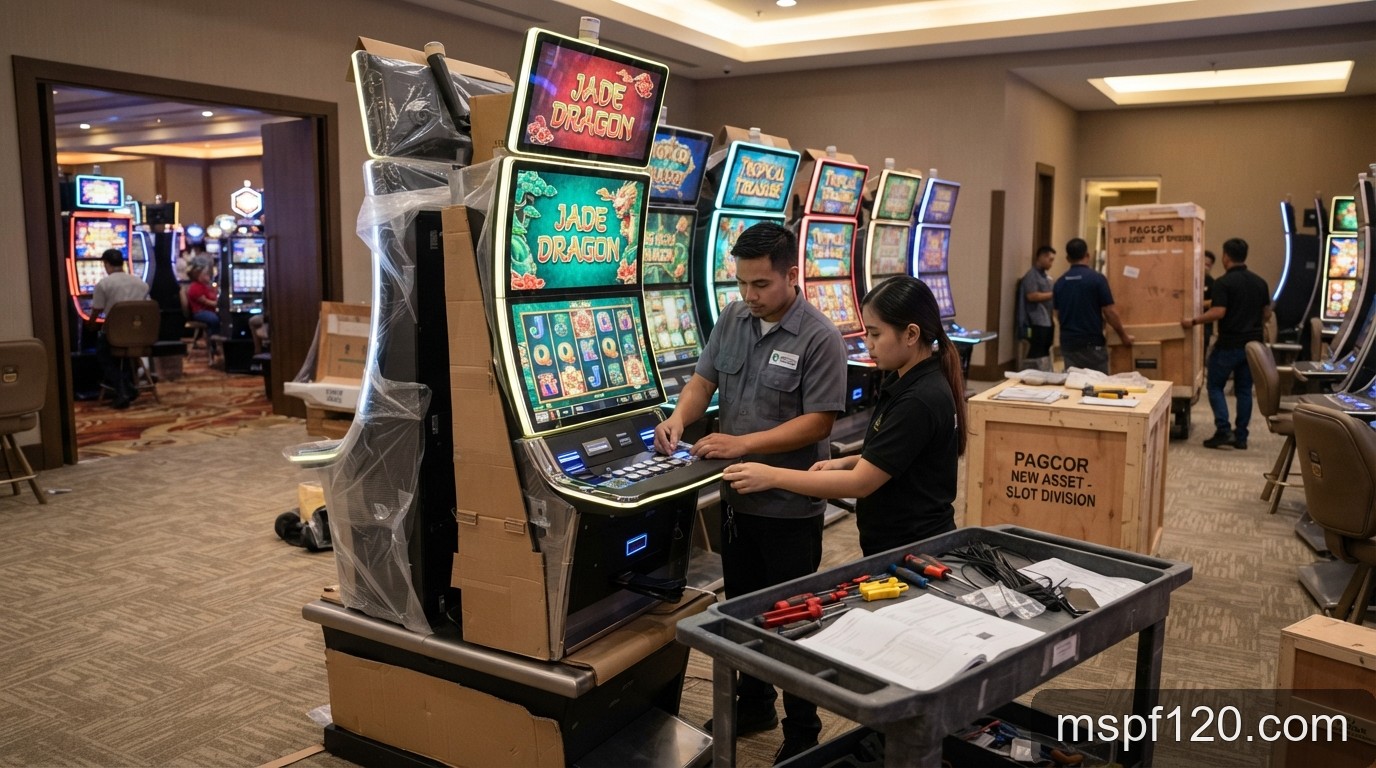
The Philippine Amusement and Gaming Corporation (PAGCOR) is rolling out 2,000 new slot machines across its Casino Filipino venues by mid-September 2026, a strategic move ahead of its full privatization targeted for late 2026 or early 2027.
The Philippine Amusement and Gaming Corporation (PAGCOR) is currently undergoing a significant transformation, shifting from a dual role as both a casino operator and regulator to solely a regulatory body. As part of this transition, approximately 2,000 new and modern slot machines are being installed in Casino Filipino venues by mid-September 2026, a strategic move designed to enhance their appeal and value to potential investors ahead of privatization.
Key Takeaways for Filipino Players
- Modernized Gaming Experience: Expect a significant upgrade in game variety and machine performance, as the new slots are reportedly identical to those found in top integrated resorts.
- Potential for Improved Payouts: While specific data is pending, the modernization aims to boost profitability, which could indirectly influence payout structures and player returns.
- E-wallet Integration Focus: As online gaming grows, future privatized operators may prioritize efficient e-wallet (GCash/Maya) transactions, potentially improving cash-out latencies.
- Uncertainty in UHC Funding: The privatization is projected to reduce annual contributions to the Universal Health Care program, a critical concern for public services.
- Regional Accessibility: The deployment across Casino Filipino venues means players in various regions of the Philippines will experience these upgrades.
The Strategic Rollout of 2,000 New Slot Machines
PAGCOR's decision to deploy nearly 2,000 new slot machines across its Casino Filipino properties by mid-September 2026 is a calculated step in its modernization efforts. This initial batch is part of a larger order of 3,341 units, all aimed at enhancing the gaming experience and increasing foot traffic. These machines are described as being on par with those found in the country's leading integrated resort casinos, suggesting a significant upgrade in technology and game offerings for players.
The primary objective behind this substantial investment is to make Casino Filipino venues more attractive to prospective buyers. By upgrading the gaming floor with modern equipment, PAGCOR aims to boost the overall profitability and perceived value of these assets, which are estimated to fetch between PHP30 billion and PHP50 billion (approximately US$535 million to US$891.3 million) upon sale.
Privatization Timeline and Regulatory Shift
PAGCOR's transition from a dual operator-regulator to a purely regulatory body is a complex process. While initially planned for mid-2025, the privatization of Casino Filipino properties is now expected to commence in early 2026, with a full transition targeted for late 2026 or early 2027, and potentially extending to 2028. This delay is largely attributed to the necessary amendments to PAGCOR's charter, which are anticipated to be finalized in 2025.
This decoupling is a landmark change for the Philippine gaming industry. Once fully privatized, PAGCOR will focus solely on its regulatory functions, overseeing the entire gaming landscape, including the newly privatized Casino Filipino branches. This shift is expected to foster a more competitive and professionally managed gaming environment.
Impact on Game Performance and Player Experience
The introduction of 2,000 new slot machines raises critical questions for players regarding game performance. While PAGCOR has stated these machines are identical to those in top integrated resorts, players will be keen to understand the specific Return to Player (RTP) rates and volatility metrics. Historically, transparency on these data points has varied, and players should seek verified information from the privatized operators.
Modern slot machines typically offer a wider variety of themes, bonus features, and interactive gameplay, which could significantly enhance the player experience. The expectation is that these new units will not only attract more players but also potentially lead to more engaging and rewarding sessions. However, the actual impact on individual player outcomes will depend on the specific game configurations and the operational strategies of the new owners.
E-wallet Integration and Payout Efficiency
With the increasing prevalence of digital payments in the Philippines, particularly GCash and Maya, players are looking for seamless and fast transaction processes. The modernization of Casino Filipino venues, while primarily focused on slot machines, could also pave the way for improved e-wallet integration and faster payout speeds.
As MEPRY Editorial consistently benchmarks payout latency, we will be closely monitoring any data-driven improvements in median cash-out times, especially for e-wallet transactions, once the new operators take over.
Currently, the efficiency of e-wallet transactions can vary significantly across different gaming platforms. The expectation is that privatized entities, driven by market competition, will prioritize optimizing these processes to meet player demands for quick and reliable payouts. This could include implementing advanced payment gateway solutions and streamlined verification procedures.
Responsible Gambling and Player Welfare
As the gaming landscape evolves with new technology and privatization, responsible gambling measures remain paramount. PAGCOR has a mandate to ensure player protection, and this responsibility will extend to the privatized entities through licensing and regulatory oversight. The introduction of more engaging slot machines necessitates enhanced responsible gambling protocols, including clear information on game odds, self-exclusion options, and support for problem gamblers.
Players should expect and demand that the new operators maintain and improve upon existing responsible gambling frameworks. This includes transparent communication about the risks associated with gaming and readily accessible resources for those who may need assistance. The establishment of a gaming academy, as planned by PAGCOR, could also contribute to professionalizing the industry and promoting responsible practices among staff.
The Future of Casino Filipino Under Privatization
The privatization of Casino Filipino venues marks a pivotal moment for the Philippine gaming industry. While the immediate impact for players is the upgrade to 2,000 new slot machines, the long-term implications are far-reaching. The shift to private ownership is expected to bring new operational efficiencies, potentially more competitive game offerings, and a greater focus on player services.
However, it also introduces uncertainties, particularly regarding the funding of the Universal Health Care program, which is projected to see a recurring annual loss of PHP1.7 billion to PHP2.1 billion.
Players should remain vigilant for transparent data on game performance and payout speeds from the privatized entities. The true measure of success for this modernization and privatization effort will be its ability to deliver an enhanced, fair, and responsible gaming experience while navigating the broader economic and social impacts.
参考资料
End of Dispatch • September 21, 2026
Global Supply Chain Coverage
We supply high-quality products to major markets worldwide. Explore our regional distribution and compliance standards.